Malaysia

ZUS Coffee secures RM250 million investment, eyes global expansion

Image Credits: Open PrivilegeImage Credits: Open Privilege
  • ZUS Coffee raises RM250 million (US$57 million) from investors including KV Asia Capital, KWAP, and Kapal Api Group, signaling a new phase of growth for Malaysia's largest coffee chain.
  • The company plans to expand beyond its current 600 locations in Malaysia and the Philippines, with imminent launches in Singapore and Brunei, and potential partnerships in other countries by 2025.
  • ZUS Coffee's success is attributed to its innovative approach, including an early adoption of app-based ordering and a focus on making gourmet coffee accessible through technology, positioning it favorably against competitors in the changing coffee market landscape.

ZUS Coffee, Malaysia's largest coffee chain operator, has raised RM250 million (US$57 million) from a group of investors, including buyout company KV Asia Capital, as it seeks global expansion.

Other investors include Malaysia's largest state pension fund, the Retirement Fund Incorporated (KWAP), and Indonesia's Kapal Api Group, which owns Excelso coffee shops, according to ZUS Coffee in a statement to Bloomberg News.

The substantial investment comes at a crucial time for ZUS Coffee, as the company aims to capitalize on the growing demand for premium coffee experiences across Southeast Asia. With the global coffee market expected to reach $155.64 billion by 2026, according to a report by Allied Market Research, ZUS Coffee is positioning itself to capture a significant share of this burgeoning market. The company's innovative approach to coffee retail, combined with its strong digital presence, has already set it apart from traditional coffee chains in the region.

According to ZUS Coffee, the investment marks a new chapter and a springboard for the company's growth.

The company, which now has approximately 550 locations in Malaysia and 50 in the Philippines, said it will open in Singapore and Brunei this year and is in talks with potential partners in other countries to develop new stores there by 2025.

This ambitious expansion plan reflects ZUS Coffee's confidence in its business model and its ability to adapt to diverse markets. The company's success in Malaysia and the Philippines has provided valuable insights into consumer preferences and operational challenges in different cultural contexts. By leveraging this experience, ZUS Coffee aims to replicate its success in new markets, tailoring its offerings to local tastes while maintaining its core brand identity.

ZUS Coffee opened its first location in Kuala Lumpur in 2019 and introduced its own app for customers to place orders, even before the global pandemic pushed the shift toward online ordering.

The company's foresight in developing a robust digital infrastructure has proven to be a significant competitive advantage. During the COVID-19 pandemic, when many traditional coffee shops struggled with lockdowns and reduced foot traffic, ZUS Coffee's app-based ordering system allowed it to maintain operations and even grow its customer base. This digital-first approach has not only enhanced customer convenience but also provided the company with valuable data on consumer behavior and preferences, enabling it to refine its offerings and marketing strategies continually.

Ian Chua, the company's founder and CEO, stated that we are devoted to make gourmet coffee accessible through our shared technology.

Chua's vision for ZUS Coffee extends beyond simply selling coffee. The company has invested heavily in sustainability initiatives, sourcing ethically produced beans and implementing eco-friendly practices across its operations. This commitment to sustainability resonates with the growing number of environmentally conscious consumers in Southeast Asia, further differentiating ZUS Coffee from its competitors and aligning the brand with global trends in corporate responsibility.

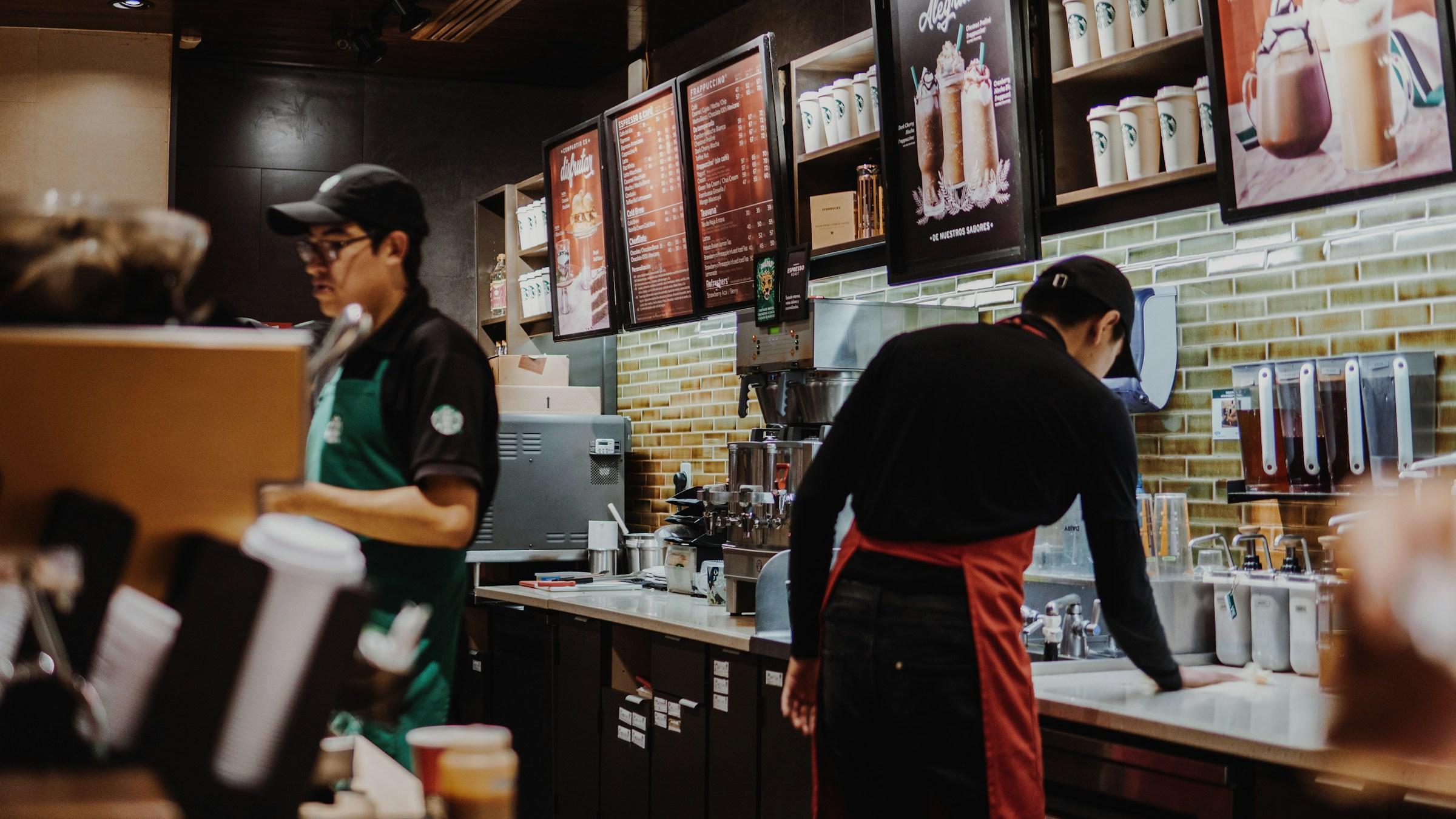
The home-grown coffee chain's development plans come at a time when rival Starbucks has suffered losses as a result of boycotts of goods thought to be associated to Israel during the Gaza conflict.


Luxury World
Image Credits: Unsplash
LuxuryAugust 2, 2025 at 1:00:00 AM

How luxury lost its edge—and the moves that could win customers back

Luxury used to command reverence. It was slow, scarce, and wrapped in ritual. Today, it’s everywhere—scrollable, hashtagged, and often indistinguishable from its knockoff...

Retail United States
Image Credits: Unsplash
RetailJuly 30, 2025 at 12:00:00 PM

Trump’s tariffs likely to drive up food prices for U.S. consumers, analysts warn

President Donald Trump’s proposed blanket tariffs, set to take effect August 1, are reviving concerns about inflation—but with a more everyday twist. The...

Retail Singapore
Image Credits: Unsplash
RetailJuly 29, 2025 at 2:30:00 PM

At what point did landlords become the gatekeepers of our communal future?

While Gulf states pour billions into revitalizing retail districts with climate-controlled markets and community-first zoning, Singapore’s street-level food culture faces a quieter erosion....

Retail World
Image Credits: Unsplash
RetailJuly 25, 2025 at 1:30:00 PM

McDonald’s isn’t the cheap option anymore. Can it be again?

McDonald’s didn’t just build a fast-food empire on burgers and fries—it built it on the idea of predictable value. For decades, the Golden...

Retail World
Image Credits: Unsplash
RetailJuly 24, 2025 at 1:00:00 AM

Why inflation changes what—and how—people buy

Inflation doesn’t just raise prices. It rewires consumer logic, alters trust in value delivery, and exposes the fragility—or durability—of business models. While UK...

Retail United States
Image Credits: Unsplash
RetailJuly 13, 2025 at 11:00:00 PM

The real reason dollar stores are so cheap

In the sprawling landscape of global retail, dollar stores have come to symbolize accessibility, thrift, and convenience. But behind their irresistible prices lies...

Retail World
Image Credits: Unsplash
RetailJuly 11, 2025 at 6:30:00 PM

Starbucks barista cup writing policy backfires as forced personalization

A cheerful “Yum!” scribbled in marker. A “You got this!” on your flat white. What’s not to like? In isolation, these messages feel...

Retail Singapore
Image Credits: Unsplash
RetailJuly 7, 2025 at 12:30:00 PM

Singapore retail sales growth driven by vehicle demand

Singapore’s retail sales rose by 1.4% year-on-year in May 2025, continuing a fragile recovery trend in domestic consumption. While this marks the second...

Retail World
Image Credits: Unsplash
RetailJune 27, 2025 at 2:00:00 PM

Starbucks turns to local partners as beverage wars escalate

For decades, Starbucks enjoyed uncontested dominance as Asia’s symbol of modern café culture. From Shanghai to Jakarta, its green-and-white logo became shorthand for...

Retail World
Image Credits: Unsplash
RetailJune 27, 2025 at 1:30:00 PM

Nike slows sales slide in Q1 as turnaround strategy gains early traction

Nike says its sales decline is slowing. On paper, that sounds like progress. But for any operator or product strategist who’s scaled systems...

Retail Singapore
Image Credits: Unsplash
RetailJune 23, 2025 at 7:30:00 PM

Is language becoming a barrier between foreign businesses and locals in Singapore?

When a customer recently walked into a popular bubble tea shop in central Singapore, they were met with blank stares. Their order, spoken...

Retail World
Image Credits: Unsplash
RetailJune 23, 2025 at 6:00:00 PM

How customers shape the gig economy’s success

It begins with a tap. A ride requested. A meal ordered. A freelance job accepted. For the customer, it feels transactional—fast, precise, frictionless....

Load More