United States

Decline in oil prices as supply disruption concerns subside

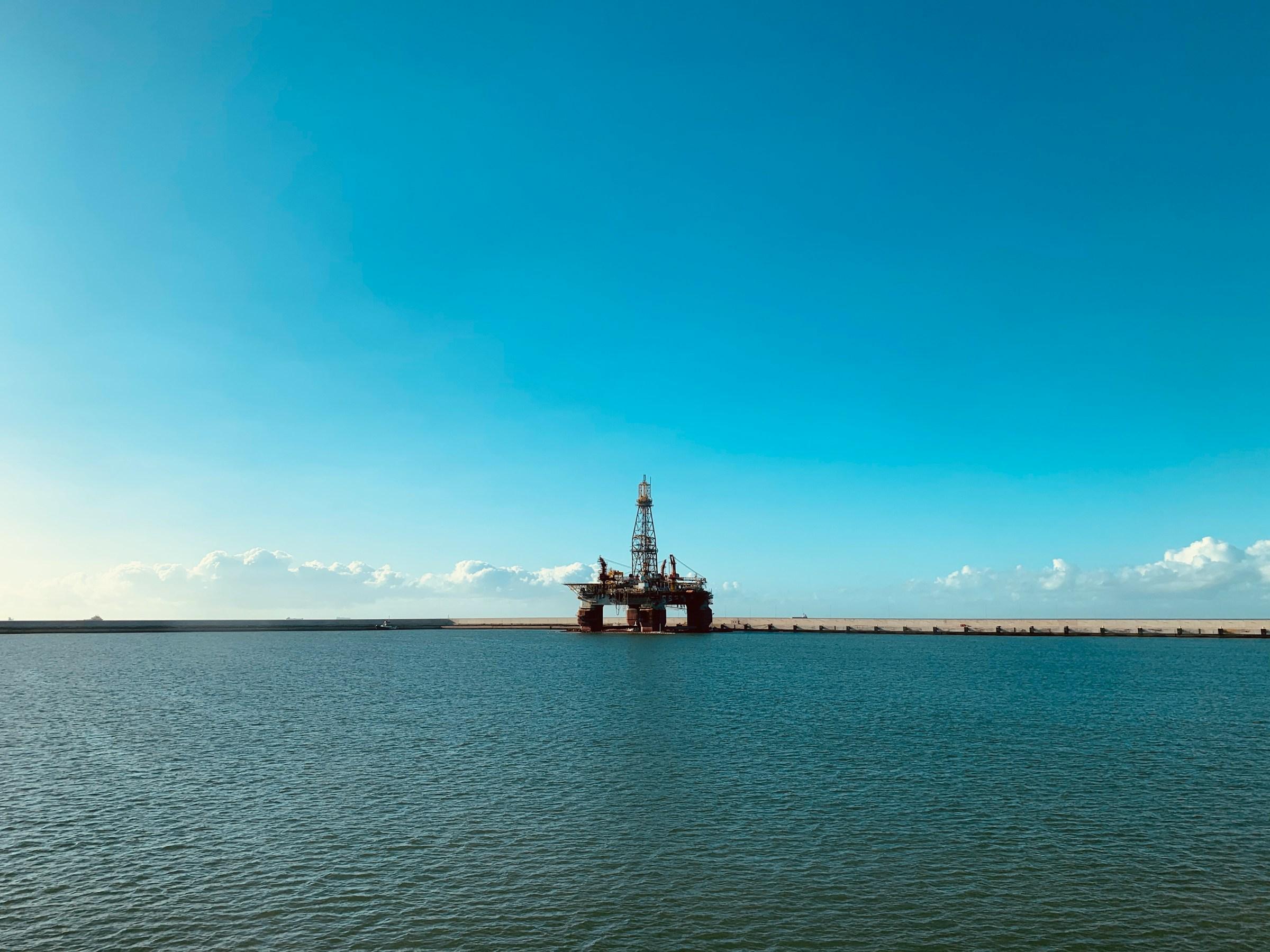
Image Credits: UnsplashImage Credits: Unsplash
  • Oil prices have declined due to the easing of supply disruption concerns.
  • Geopolitical developments and balanced production levels have contributed to market stability.
  • The oil market remains sensitive to future geopolitical and production changes.

Oil prices have taken a notable dip recently, driven by the easing of concerns over potential supply disruptions. This shift in market dynamics has brought a sense of relief to traders and consumers alike, who had been bracing for volatility amid geopolitical tensions and production uncertainties.

The recent decline in oil prices can be attributed to several key factors. Firstly, geopolitical developments have played a significant role. For instance, the resolution of certain conflicts and diplomatic engagements have reduced the immediate threat to oil supply chains. As a result, the market has responded with a decrease in crude oil prices.

In addition to geopolitical factors, changes in production levels have also influenced the market. Major oil-producing countries have adjusted their output, either increasing or stabilizing production to meet global demand. This balance in production has helped to alleviate fears of a supply crunch, contributing to the downward trend in oil prices.

Market sentiment has also shifted, with traders becoming more optimistic about the stability of the global oil supply. This optimism is reflected in the trading of oil futures, where prices have shown a decline. The easing of supply disruption concerns has led to a more favorable outlook for the energy market.

At the same time as investors were concentrating on the prognosis for demand and the possibility of higher production from big producers, oil prices dropped on Tuesday. This was due to the fact that fears about supply disruptions had subsided. This statement emphasizes the dynamic relationship between supply concerns and production prospects, which summarizes the current feeling in the market.

The global oil supply chain has shown resilience, adapting to various challenges and ensuring a steady flow of crude oil. This adaptability has been crucial in maintaining market stability and preventing drastic price spikes. The oil industry, with its complex network of producers, traders, and consumers, continues to navigate through uncertainties, striving to balance supply and demand.

Looking ahead, the oil market is expected to remain sensitive to geopolitical developments and production changes. Analysts predict that oil prices will continue to fluctuate, influenced by factors such as global economic conditions, energy policies, and technological advancements in the energy sector.

The recent fall in oil prices reflects a combination of eased supply disruption concerns, balanced production levels, and positive market sentiment. As the energy market evolves, stakeholders will need to stay vigilant and adaptable to navigate the ever-changing landscape of the oil industry.


Economy Malaysia
Image Credits: Unsplash
EconomyAugust 3, 2025 at 6:30:00 PM

Muslim-friendly travel platform revamped offerings with enticing new packages

Travel is changing—not just in where people go, but in how they move, what they value, and how they choose to experience the...

Economy World
Image Credits: Unsplash
EconomyAugust 1, 2025 at 3:00:00 PM

Asia must harness AI for natural disaster management

Wednesday’s tsunami warnings triggered by a deep-sea earthquake off Russia’s Kamchatka Peninsula were not just seismological events. They were institutional ones. As alerts...

Economy World
Image Credits: Unsplash
EconomyAugust 1, 2025 at 1:00:00 PM

What it will take for Hong Kong to lead in shipping again

The Development Bureau’s proposal to reclaim 301 hectares—145 near Lung Kwu Tan and 45 in Tuen Mun West—for a “smart and green industrial...

Economy World
Image Credits: Unsplash
EconomyAugust 1, 2025 at 1:00:00 PM

Taiwan welcomes reduced 20% US tariff—but faces growing pressure to offer deeper concessions

Taiwan has just been handed a partial reprieve: the United States will impose a 20% tariff on its exports instead of the previously...

Economy Singapore
Image Credits: Unsplash
EconomyAugust 1, 2025 at 1:00:00 PM

Singapore stock market sell-off reveals deeper crisis of confidence

While headlines focused on the 1.1 percent drop in the Straits Times Index (STI) on July 31, a closer reading of the market...

Economy Singapore
Image Credits: Unsplash
EconomyAugust 1, 2025 at 1:00:00 PM

Trump adjusts reciprocal tariffs ahead of deadline; Singapore expected to retain 10% rate

President Donald Trump’s 2025 tariff overhaul is not a symbolic gesture. It’s a structural realignment that reintroduces trade friction as a core feature...

Economy World
Image Credits: Unsplash
EconomyAugust 1, 2025 at 11:30:00 AM

U.S. expands tariff hikes to dozens of countries

While headlines often zoom in on US–China friction, the more consequential pivot may be Washington’s decision to raise tariffs across a wider swath...

Economy World
Image Credits: Unsplash
EconomyAugust 1, 2025 at 11:30:00 AM

Hong Kong stocks head for first weekly decline in a month amid China growth concerns

Hong Kong stocks just broke their three-week winning streak. On the surface, it’s a mild pullback: the Hang Seng dipped 2.4% for the...

Economy World
Image Credits: Unsplash
EconomyAugust 1, 2025 at 10:30:00 AM

China manufacturing PMI decline signals deeper export strain

China’s June manufacturing PMI dipped to 49.6, slipping below the neutral 50-point mark and snapping a three-month streak of marginal growth. On its...

Economy World
Image Credits: Unsplash
EconomyAugust 1, 2025 at 10:30:00 AM

Oil rises slightly on geopolitical tensions and supply concerns

Oil prices rose modestly this week, but the implications run deeper than market headlines suggest. Brent crude moved past the $84 threshold, with...

Economy World
Image Credits: Unsplash
EconomyJuly 31, 2025 at 12:00:00 PM

What the end of the US-China tariff pause really signals

On August 1, the United States’ pause on so-called “reciprocal tariffs” targeting Chinese imports is scheduled to expire. For Beijing, a short extension...

Economy Malaysia
Image Credits: Unsplash
EconomyJuly 31, 2025 at 11:30:00 AM

US-Malaysia tariff agreement likely following Trump-Anwar call ahead of Aug 1 deadline

Washington’s proposed reduction of a 25% import tariff on Malaysian goods—floated just hours after a call between President Trump and Prime Minister Anwar...

Load More